Is Cascais a practical base for commuting to Lisbon every day?+
Yes, but convenience depends on your home and workplace addresses. The train from Cascais to Cais do Sodré takes around 40 minutes; add the journey to the station and any connections. Driving to Lisbon covers roughly 30 km, depending on the destination. Allow around 30–40 minutes via the A5 in free-flowing traffic; at rush hour, budget an hour plus a buffer. The morning commute heads towards Lisbon and the evening commute back towards Cascais, with possible delays on the A5, its access roads and city streets. The coastal Marginal is also busy and is not always quicker. Before buying, test your exact home-to-office route at your working times, including parking, and check the current train timetable.
Which parts of Cascais suit living without a car?+
Start with central Cascais and addresses close to the stations in Estoril, Monte Estoril, Parede and Carcavelos. Check the actual walking routes to shops, school and your preferred beach: a short distance on a map does not always mean an easy walk. In Birre, Quinta da Marinha and Malveira da Serra, assess buses and daily journeys separately; a car may be more convenient.
Where should I look if central Cascais and Estoril are beyond my budget?+
Broaden your search to Parede, Carcavelos, Alcabideche and São Domingos de Rana. Compare homes of similar size and condition, taking distance from the station and coast into account. The price-per-square-metre figures in our area guide cover the named statistical areas, rather than every individual neighbourhood. Our catalogue includes new developments for different budgets, while resale apartments and houses are sourced personally across the market.
When moving to Cascais with children, should I choose the area or the school first?+
Start with suitable schools: curriculum, teaching language, places in the required year group and admissions conditions. Then compare home addresses and the actual school-run journey at school times. St. Julian’s, for example, is in Carcavelos, so central Cascais may not be the most convenient location. Living near a school does not guarantee admission; check availability directly before deciding to buy.
How does living near Guincho differ from living near Cascais town beaches?+
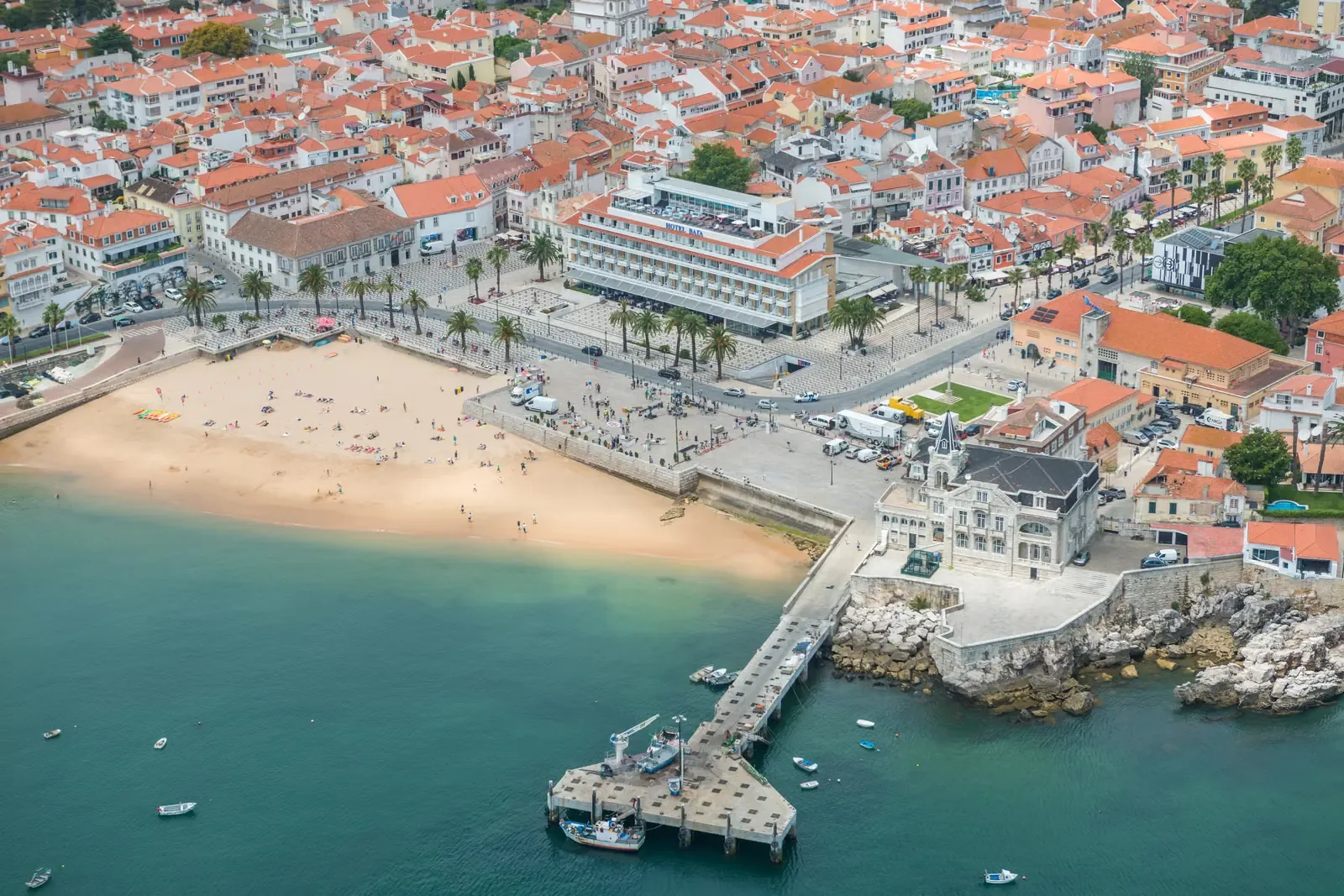
Guincho has an exposed Atlantic coastline, waves and wind; the summer northerly wind makes it popular for windsurfing. Cascais town beaches offer a different daily routine, with the centre, cafés and station nearby. When choosing a home near Guincho or in Malveira da Serra, visit the actual address in different weather and check terrace shelter, beach access and your daily journeys.
What should I check before buying a coastal home to stay comfortable in winter?+
Look beyond the view: assess insulation, windows, heating, ventilation and daylight. Read the energy certificate and its recommendations, and inspect walls and ceilings for signs of damp or leaks. For an apartment, ask about the façade, roof and planned condominium works. If there are concerns, include a technical inspection in your checks before completing the purchase.
Can ARR find resale apartments or houses in Cascais that are not on the website?+
Yes. Our website presents a new-development catalogue; resale apartments, houses with gardens and off-market properties are included in your personal shortlist. We first establish your budget, preferred area, timing and property requirements, then compare options across the market and arrange viewings.
What does ARR charge buyers purchasing property in Cascais?+
ARR’s services are free for buyers: our work is paid for by the seller or developer. Purchase taxes, notarial, registration and bank costs are calculated separately. Before choosing a property, we discuss the full transaction budget and financing options if you need a mortgage.
Can I start buying a home in Cascais while living in another country?+
Yes. You can begin the search remotely, discuss your criteria, receive options and view properties by video call. A purchase can be completed through a representative holding a power of attorney. Its scope and formalities are agreed with a lawyer or notary in advance, while mortgage-related bank requirements are checked separately. We review the chosen property’s documents and condition before the transaction.